
iptv for nightlife venues offers
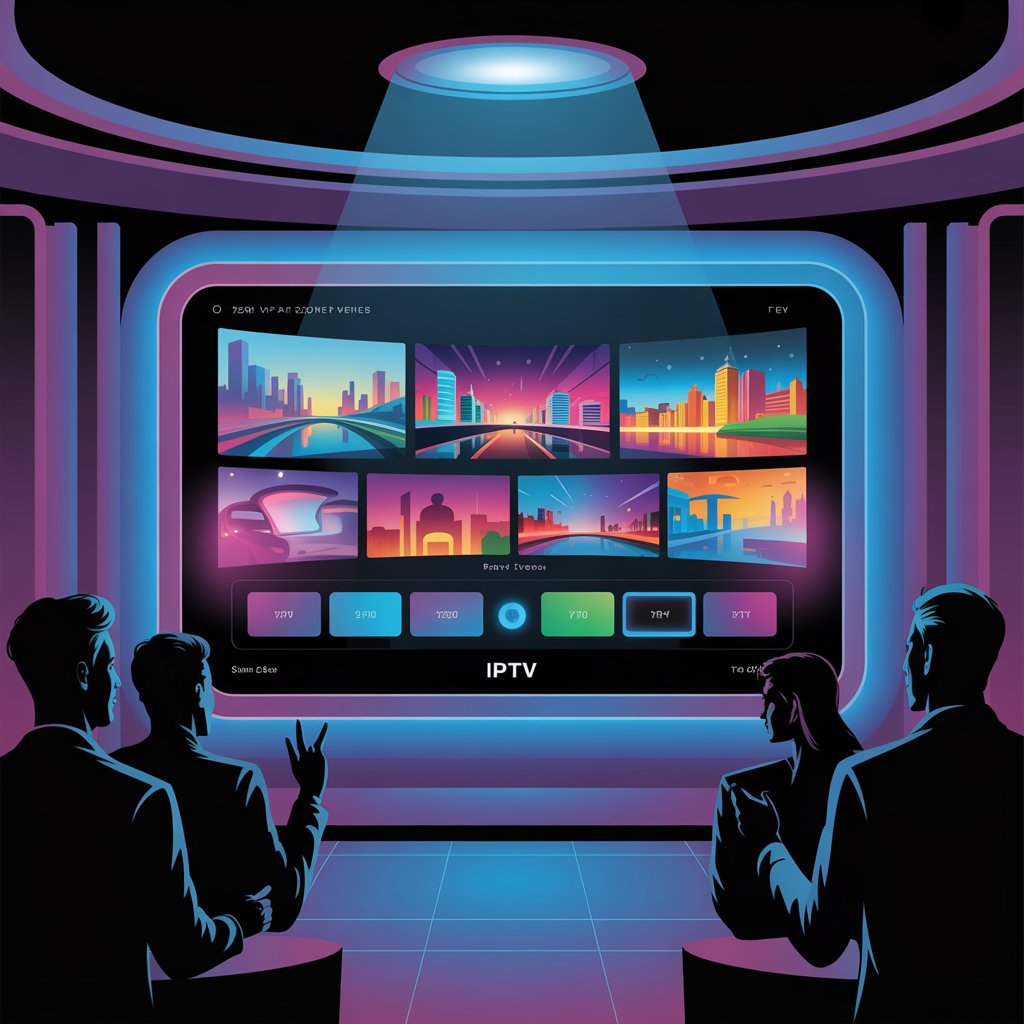
IPTV for Nightlife Venues: The Offers, Benefits, and Real-World Impact
Introduction: Why IPTV Matters for Nightlife
When people think about nightlife, they usually picture neon lights, crowded bars, thumping basslines, dance floors packed with energy, or a rooftop lounge serving cocktails against a skyline. But behind the atmosphere, there’s a layer of technology shaping the experience. Sound systems, lighting rigs, security setups—all of these are essential. Yet, one tool often overlooked is IPTV, or Internet Protocol Television.
At first glance, IPTV might sound more at home in a living room than in a nightclub. But today, forward-thinking venue owners are realizing that IPTV isn’t just about showing live sports or Netflix-style content—it’s a flexible platform that can be tailored to enhance nightlife experiences. Whether it’s live event streaming, interactive menus, promotional content, or entertainment between DJ sets, IPTV can make a nightlife venue feel more dynamic, connected, and profitable.
In this article, we’ll take a deep dive into IPTV in the nightlife industry: why it matters, what offers providers are rolling out, and how bars, clubs, lounges, and other late-night spots are leveraging it.
The Role of IPTV in the Nightlife Industry
From Background Screens to Central Entertainment
In the past, televisions in nightlife venues were often an afterthought—small screens tucked into corners showing music videos, news, or random TV channels. They served more as filler than as part of the overall experience. Today, however, the role of screens in bars, lounges, and nightclubs has evolved dramatically, thanks in large part to IPTV (Internet Protocol Television).
IPTV allows venue owners to broadcast content from the internet directly to multiple screens simultaneously, offering flexibility and control that traditional cable or satellite TV can’t match. Whether it’s streaming live sports, music videos, or interactive content, IPTV transforms passive screens into engaging, dynamic entertainment hubs.
Enhancing the Venue’s Atmosphere
Nightlife is all about ambiance. The right music, lighting, and visual elements can make or break a night. IPTV gives venues the ability to integrate visuals that match the mood, theme nights, or even live DJ sets. Instead of static content, screens can display curated visuals, digital art, or live feeds that enhance the overall vibe.
For example, a rooftop lounge might use IPTV to project relaxing cityscape videos with synchronized lighting for a chill evening, while a high-energy nightclub could stream fast-paced visuals or live DJ booth feeds to match the dance floor energy. This flexibility makes every screen a tool for storytelling and atmosphere creation.
Customizable Content for Every Occasion
One of the biggest advantages of IPTV in nightlife is the ability to customize content. Bars hosting sports nights can broadcast multiple games at once across different screens. Lounges can display cocktail recipes or promotional offers in between entertainment sets. Clubs can showcase upcoming events or themed nights to keep patrons informed and engaged.
Interactive options are also becoming more common. Patrons might vote on which track plays next, engage with social media feeds displayed on screens, or participate in live contests, all through an IPTV-powered system. This level of engagement not only entertains guests but can also increase loyalty and repeat visits.
Integration with Modern Venue Technology
IPTV doesn’t exist in isolation; it integrates seamlessly with other venue technologies. Lighting systems, sound rigs, and even point-of-sale or ordering systems can be linked with IPTV to create a cohesive experience. Happy hour specials, live event alerts, and interactive menus can be displayed instantly across multiple screens.
This integration ensures that the venue runs efficiently while providing patrons with a modern, connected experience. It also allows venue managers to respond quickly to changes in the night’s events, such as shifting a live feed to a more crowded area or adjusting visuals to match a special performance.
Conclusion
The role of IPTV in the nightlife industry has grown far beyond simply showing content on screens. It’s a versatile tool that enhances ambiance, engages patrons, and allows venues to differentiate themselves in a competitive market. From dynamic visuals to interactive experiences, IPTV helps nightlife venues create memorable nights that keep guests coming back for more.
IPTV Offers Tailored to Nightlife Venues
Entertainment Packages Designed for Nightlife
Nightlife venues have unique entertainment needs, and IPTV providers are stepping up with offers designed specifically for bars, clubs, and lounges. One of the most popular options is specialized entertainment packages. These often include live sports channels, music video libraries, and event streaming options, allowing venues to tailor their content to their audience.
For example, sports bars can access multiple live feeds simultaneously, ensuring patrons don’t miss a single game. Nightclubs can stream live DJ performances or curated music video playlists to keep energy levels high. These packages make it easier for venues to keep patrons entertained while standing out from competitors.
Business-Friendly Offers for Flexibility and Cost Savings
Nightlife venues often have fluctuating schedules and budgets. Recognizing this, IPTV providers offer flexible subscription models and multi-screen deals. Monthly or no-contract plans allow bars and clubs to adjust services without being locked into long-term agreements.
Multi-screen bundles are particularly valuable, as venues typically feature TVs across different rooms, bars, and lounges. By offering commercial licensing and legally cleared content, providers ensure venues can broadcast IPTV without legal concerns, which is crucial for public spaces.
Customization and Branding Opportunities
Modern nightlife venues are not just about drinks and music—they are about creating a memorable brand experience. IPTV offers tailored add-ons that allow venues to customize screens to match their identity. Digital signage integration enables branded overlays, scrolling messages, or QR codes linking to menus and promotions.
Interactive features also let patrons engage directly with content. Guests can vote on songs, participate in live polls, or interact with social media feeds displayed on screens. This level of interactivity not only entertains customers but strengthens the venue’s connection with its audience.
Cost-Effective Bundles
IPTV providers understand that nightlife venues are budget-conscious. Many offer bundled services that combine IPTV with high-speed internet, WiFi access for patrons, and digital signage solutions. Seasonal discounts or promotional offers tied to major events, sports seasons, or holidays further enhance affordability.
By consolidating these services into one package, venues save money, reduce administrative overhead, and streamline technology management. It’s a win-win for owners and patrons alike.
Conclusion
IPTV offers tailored to nightlife venues go beyond standard TV packages. They provide flexibility, cost savings, entertainment variety, and opportunities for branding and customer engagement. Bars, clubs, and lounges that embrace these specialized IPTV solutions can elevate their patrons’ experience, stand out in a competitive market, and boost revenue—all while maintaining full control over the content that shapes their venue’s atmosphere.
Why Nightlife Venues Are Switching to IPTV
Cost Efficiency Without Compromising Quality
One of the biggest reasons nightlife venues are making the switch to IPTV is cost efficiency. Traditional cable and satellite packages often come with high monthly fees and long-term contracts, which can be a burden for bars, clubs, and lounges operating on tight budgets. IPTV, on the other hand, offers flexible subscription plans that can be tailored to a venue’s size and needs.
Even with lower costs, venues don’t have to compromise on quality. High-definition streaming, multiple channel access, and low latency feeds ensure that patrons get the entertainment they expect—whether it’s live sports, music videos, or live performances.
Flexibility to Match Diverse Audiences
Nightlife venues serve diverse crowds with varying tastes. A sports bar might need multiple games broadcast simultaneously, while a trendy lounge may require curated music video playlists or live DJ feeds. IPTV offers the flexibility to meet these needs seamlessly, allowing venue owners to customize the content on each screen.
This adaptability means that venues can switch programming quickly, catering to themed nights, special events, or seasonal preferences, ensuring that every guest enjoys an experience tailored to their interests.
Enhancing the Customer Experience
In the competitive nightlife industry, providing a memorable customer experience is key. IPTV allows venues to engage patrons beyond music and drinks. Screens can display interactive content, social media feeds, countdowns to events, or promotional material for upcoming nights. Patrons feel more connected to the venue and the entertainment, creating a sense of community and increasing the likelihood of repeat visits.
Additionally, IPTV can enhance atmosphere by syncing visuals with lighting and sound systems, ensuring that the environment remains vibrant and immersive throughout the night.
Revenue-Generating Opportunities
IPTV isn’t just a cost-saving solution—it can also help generate revenue. Venues can use screens to display sponsored content, advertisements for local businesses, or featured events. Interactive promotions, like drink specials tied to on-screen prompts, encourage higher sales and engagement. In some cases, venues can even sell screen space to partners, turning IPTV into a source of additional income.
Keeping Up with Modern Expectations
Today’s patrons expect more from nightlife than just music and drinks. Technology-driven experiences are part of the draw. By adopting IPTV, venues signal that they are modern, innovative, and committed to providing high-quality entertainment. This can be a differentiator in crowded markets where attracting and retaining customers depends on offering something unique.
Conclusion
Nightlife venues are switching to IPTV because it offers cost efficiency, flexibility, enhanced customer experiences, and new revenue opportunities. By leveraging IPTV, bars, clubs, and lounges can stay competitive, engage patrons in innovative ways, and create memorable nights that keep customers coming back. It’s more than a technology upgrade—it’s a strategic move that shapes the future of nightlife entertainment.
Real-World Examples of IPTV in Nightlife Venues
Sports Bars Taking IPTV to the Next Level
Consider a sports bar in Manchester that recently upgraded from traditional cable to IPTV. Before the switch, the bar could only broadcast one or two games at a time, limiting what patrons could watch. With IPTV, the bar now streams multiple matches simultaneously on different screens, including Premier League football, UFC, and NBA games. This flexibility increased weekday foot traffic, turning slower nights into profitable evenings and creating a better experience for sports fans.
Nightclubs Enhancing the Dance Floor Experience
In Ibiza, a high-energy nightclub began using IPTV to project live visuals synchronized with DJ performances. Instead of looping generic videos, the club streamed curated visual content that matched the music’s tempo and vibe. Additionally, IPTV allowed the venue to broadcast a sister club’s live set to another room, connecting multiple spaces and giving patrons a seamless, immersive experience. The result was an environment that felt alive and interactive, enhancing the overall atmosphere.
Rooftop Lounges Using IPTV for Branding and Engagement
A rooftop lounge in New York City integrated IPTV with its social media strategy. Screens displayed live feeds of patrons tagging the lounge on Instagram, and rotating content promoted upcoming events or specialty cocktails. Some of the screen space was even monetized through sponsored content from local beverage brands. This approach not only entertained guests but also created additional revenue streams and reinforced the venue’s brand identity in real-time.
Small Bars Making a Big Impact
Even smaller venues are seeing benefits. A cozy bar in London used IPTV to stream local live music performances and community events. Patrons could watch and interact with performances, creating a sense of community and drawing in local audiences who appreciated both the entertainment and the ability to engage directly. By leveraging IPTV in a smaller space, the bar differentiated itself from larger chains while keeping operating costs manageable.
Conclusion
These real-world examples demonstrate how IPTV can transform nightlife venues of all sizes. From sports bars and nightclubs to rooftop lounges and intimate bars, IPTV enhances the customer experience, strengthens brand identity, and opens up new revenue opportunities. Venues that adopt IPTV can engage patrons in dynamic ways, creating memorable nights that keep people coming back and setting themselves apart in a competitive nightlife scene.
Challenges to Consider When Implementing IPTV in Nightlife Venues
Dependence on Internet Quality
One of the main challenges nightlife venues face with IPTV is the reliance on a strong, stable internet connection. Slow or inconsistent bandwidth can result in buffering, delays, or poor-quality streams, which can frustrate patrons and disrupt the atmosphere. Venues need to invest in high-speed, reliable internet, and sometimes even backup connections, to ensure uninterrupted IPTV performance during peak hours.
Licensing and Legal Concerns
Unlike home IPTV, commercial venues must ensure they have the proper licensing for content. Streaming live sports, music, or other copyrighted material without the correct permissions can lead to fines or legal trouble. Venues need to work with providers that offer legally cleared commercial IPTV packages to avoid potential risks and ensure compliance with local regulations.
Upfront Costs and Equipment
While IPTV can save money in the long run, there are initial costs to consider. High-quality screens, set-top boxes, projectors, and installation fees can add up quickly, especially for venues with multiple rooms or large spaces. Careful planning and budgeting are essential to make sure the investment pays off without straining the venue’s finances.
Content Curation and Management
Having IPTV is only part of the equation—the content itself must be carefully curated. Random or poorly chosen content can clash with the venue’s vibe or fail to engage patrons. Managing multiple channels, scheduling content, and syncing visuals with music or events requires time and attention. Some venues hire dedicated staff or use automation tools to maintain high-quality, relevant content at all times.
Technical Support and Maintenance
As with any technology, issues can arise. Venues must plan for technical support and routine maintenance to avoid downtime during busy nights. Quick troubleshooting and access to customer support from the IPTV provider are essential to keep operations running smoothly and patrons satisfied.
Conclusion
Implementing IPTV in nightlife venues offers exciting opportunities, but it comes with challenges that need careful consideration. From internet quality and licensing requirements to upfront costs and content management, venue owners must plan and prepare to maximize the benefits of IPTV. By addressing these challenges proactively, nightlife venues can create engaging, dynamic experiences that elevate their brand and delight patrons night after night.
The Future of IPTV in Nightlife
Emerging Technologies and Innovation
The nightlife industry is constantly evolving, and IPTV is poised to play a major role in shaping its future. Emerging technologies such as augmented reality (AR) and virtual reality (VR) integration are beginning to appear in some forward-thinking venues. Imagine AR visuals projected through IPTV screens that interact with lighting and sound systems, creating immersive, multi-sensory experiences that go beyond traditional entertainment.
Interactive and Personalized Experiences
As patrons expect more from nightlife experiences, personalization will become increasingly important. Future IPTV systems are likely to integrate with mobile apps, allowing guests to vote on playlists, request songs, or engage in live contests. Venues will be able to tailor content in real time based on audience preferences, creating a more engaging and memorable experience for every visitor.
Global Connectivity and Collaboration
IPTV opens the door for global connectivity between nightlife venues. Clubs in different cities—or even countries—can stream live events to each other, creating a shared international experience. DJs can perform in one location while audiences in multiple venues enjoy the set simultaneously, broadening reach and providing unique collaborative opportunities for performers and venues alike.
Data-Driven Insights
Another trend shaping the future of IPTV in nightlife is data-driven personalization. Advanced IPTV platforms can track engagement, monitor which content is most effective, and provide insights into patron behavior. Venues can use this data to optimize programming, adjust marketing strategies, and make informed decisions that enhance the guest experience while maximizing revenue.
Sustainability and Operational Efficiency
IPTV can also contribute to operational efficiency and sustainability. By centralizing content distribution digitally, venues reduce reliance on physical media and multiple cable subscriptions, saving resources and simplifying management. Future systems may incorporate AI-driven automation to manage schedules, monitor equipment, and even adjust energy usage based on occupancy or activity levels.
Conclusion
The future of IPTV in nightlife venues is exciting and full of potential. From immersive AR and VR experiences to interactive, personalized programming and global connectivity, IPTV is set to transform how patrons engage with nightlife entertainment. By embracing these innovations, bars, clubs, and lounges can create unforgettable experiences, stand out in a competitive market, and position themselves at the forefront of the industry’s evolution.
The Rise of Experiential Dining in Modern Cities
Introduction: More Than Just a Meal
In the heart of modern cities, dining has evolved beyond simply eating to satisfy hunger. Restaurants, cafes, and lounges are transforming into spaces that offer immersive, memorable experiences. Patrons today are seeking environments where food, atmosphere, and entertainment come together in a seamless, engaging way. This is the age of experiential dining, where a meal is only one part of a carefully crafted experience.
The Components of Experiential Dining
Experiential dining blends several elements to create a lasting impression. Ambiance is key—lighting, decor, and music set the tone. Interactive elements, such as chef demonstrations, table-side presentations, or digital projections, elevate the meal from routine to memorable. Even menu design plays a role, with multi-sensory approaches like edible flowers, unique plating, or themed tasting menus drawing diners into the story of the meal.
Technology as a Catalyst
Technology is reshaping how we interact with food. Augmented reality menus, projection mapping on tables, and app-based ordering systems are increasingly common in cities pushing the envelope of culinary creativity. Diners can view ingredient sourcing, watch live cooking feeds, or even vote on playlist choices for the evening, all through tech that enhances engagement without taking away from the intimacy of the meal.
Case Studies from Modern Cities
In Tokyo, immersive sushi bars allow guests to watch chefs prepare each dish while ambient lighting and digital visuals complement the flavors. In New York, pop-up dining experiences recreate exotic settings with thematic decor, live performers, and specially curated menus. Even smaller cities are seeing cafes experiment with multi-sensory dining nights, where every course tells a story that engages sight, smell, taste, and sound.
Challenges and Considerations
While experiential dining can attract crowds and generate buzz, it also presents challenges. Costs are higher due to immersive decor, technology, and specialized staff. Consistency can be difficult when experiences rely on live performances or interactive elements. However, venues that strike the right balance between creativity and quality often see loyal patrons and strong word-of-mouth marketing that justifies the investment.
The Future of Dining Experiences
Looking ahead, experiential dining is expected to continue growing in urban areas. Sustainability will become a bigger focus, with restaurants integrating farm-to-table sourcing, zero-waste practices, and eco-friendly design into immersive experiences. Personalization and interactivity will also increase, with diners able to customize menus, lighting, and music to suit their preferences. The line between entertainment and dining will blur even further, making meals in the city a fully immersive adventure.
Conclusion
Experiential dining is more than a trend—it’s a reflection of what modern diners crave: engagement, creativity, and memories that linger beyond the last bite. Restaurants and cafes that embrace this approach are not just serving food; they’re curating experiences that capture the imagination and keep patrons returning. In a world saturated with options, experiential dining offers a way to stand out, delight guests, and transform ordinary meals into extraordinary journeys.